

What are the impacts of daylight saving time on your eyes?
Sunday, October 26, will be the day for switching to winter time. Even if it's generally appreciated by sleepers since we'll spend an extra hour under the covers, we'll lose an hour of sunlight in the evening!
This change, combined with shorter days, causes disruptions and discomfort for many people. The time change, even slight, is destabilizing for the body and eyes, especially since we know that retinal cells are responsible for "jet lag".

Less sun, more blue light...
With less sun, we stay indoors more under LEDs and in front of our various screens, and exposure to blue light reaches its peak, causing eye discomfort, headaches, difficulty falling asleep... This is why it is essential to enjoy natural light from sunrise to avoid disorienting your circadian rhythm too much. Just like doing a relaxing activity before sleeping, avoiding television and other bright screens that prevent the body from properly secreting melatonin, the sleep hormone.
What about visibility on the road?
Another problem arises simply on the road. As a driver, you may be bothered by the lack of light and be dazzled by the headlights of other vehicles, which implies a certain visual effort and eye fatigue. In addition, you will need to be vigilant with pedestrians, scooter users, and cyclists who are often not very visible. Bicycle or pedestrian accidents occur mainly in the evening and from October to February. So don't hesitate to check all the bulbs on your vehicle.
What glasses for daylight saving time?
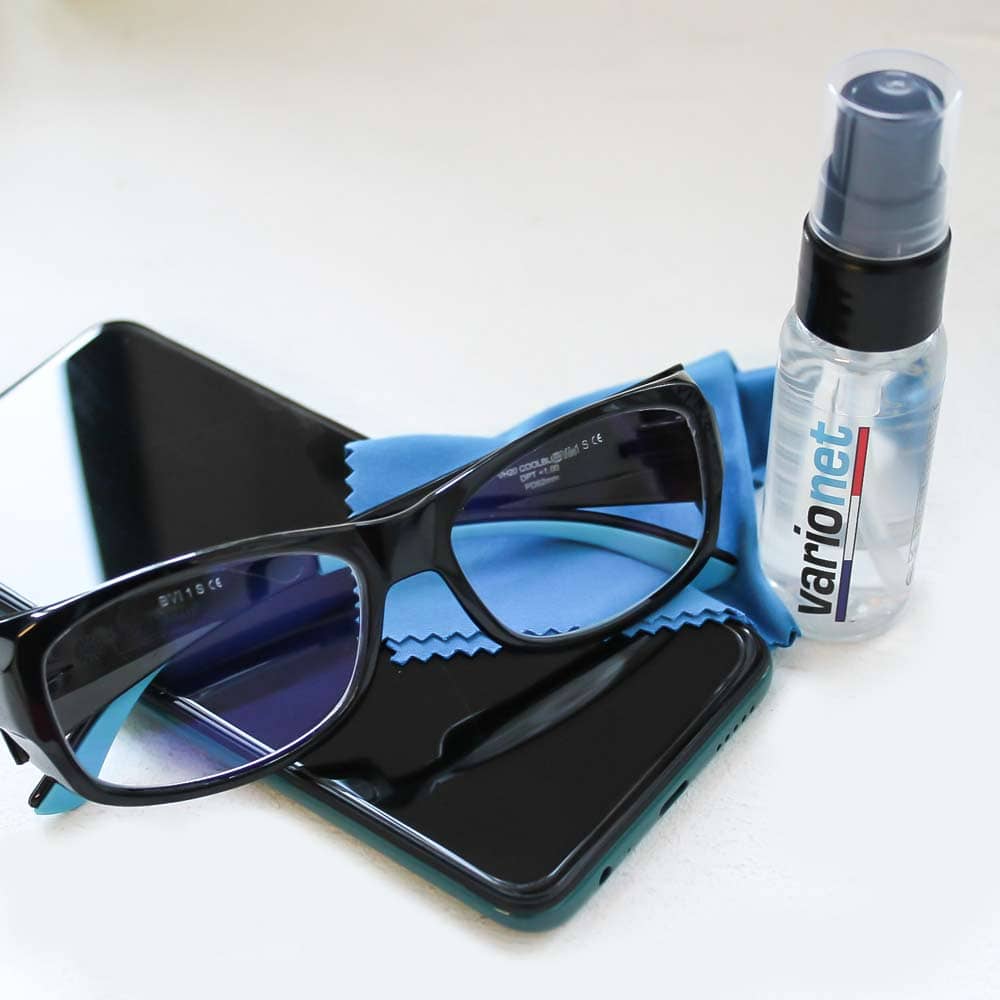
To avoid suffering too much from the harmful effects of artificial light, we recommend wearing blue light blocking glasses whether you have a visual defect or not.
For night driving, equip your eyes with night driving glasses or polarized glasses or over-glasses with yellow lenses. They will give you an impression of great brightness and remove the unpleasant effects of glare; the road and its surroundings will be clearer.
Daylight saving time is not just an hour more or less of sleep; it changes our biological and visual rhythm. By anticipating these light variations, you can reduce fatigue and improve your eye well-being.